Font Size:

Celebrating National Co-op Month
October is National Co-op Month, a time to reflect on the power of cooperation and the communities built around it. At Mountain View Electric Association (MVEA), our history is rooted in neighbors helping neighbors; families and farmers who came together to bring electricity to rural Colorado when no one else would.
Life Before Electricity
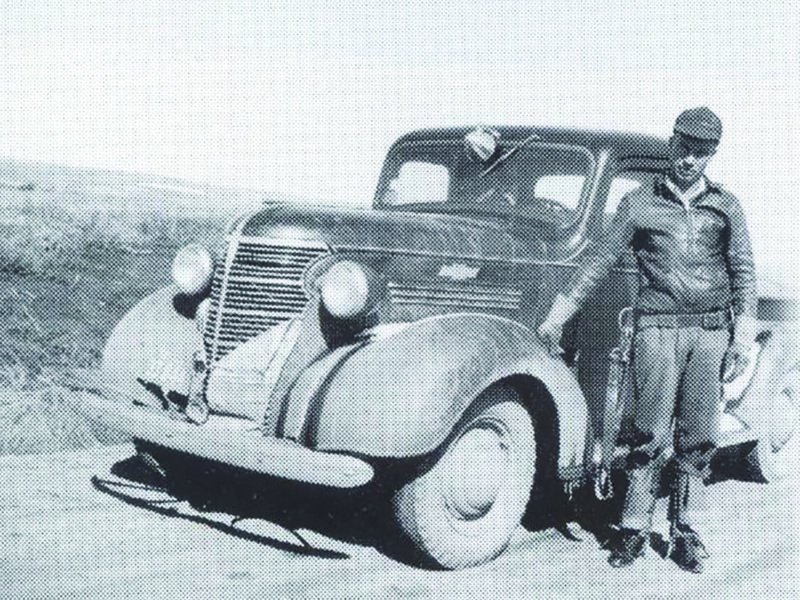
Before MVEA was established, this part of Colorado was mostly farmland and ranchland, dotted with a few small towns. Families were widely separated, and access to electricity was nearly impossible except through windmills and generators. While small towns sometimes had their own electric systems, those lines stopped at the city limits, leaving the rural countryside in the dark.
The Homestead Act of 1862 significantly influenced the development of the area, offering 160 acres to U.S. citizens, or those planning to become citizens, who were at least 21 years old and heads of households. By the 1930s, many settlers had come and gone, with ranches and farms sometimes abandoned due to dust storms and the Great Depression. Except for a few towns along Highway 24 from Limon to Falcon and Fountain, the region still had no electricity.
The Ayer Family and Early Homesteaders
Among the early settlers were Charles and Richard Ayer, who arrived in 1870 and each claimed 160 acres in the Black Forest. They started cattle and logging operations, and in 1882, they built a log cabin that still stands today.
The late Dick Ayer, a retired MVEA director who passed away in 2022, grew up in that cabin. His father was instrumental in establishing MVEA, selling memberships to neighbors to help get the association started. The Ayer family’s story is a reminder of the personal connections and generational ties that helped build the cooperative foundation we continue to stand on today.
The Push for Rural Electrification
The real momentum began with the passage of the Rural Electrification Act of 1936, which made low-interest loans available to bring electricity to rural areas. By 1939, local volunteers were going door-to-door, encouraging neighbors to join a cooperative for a $5 membership fee.
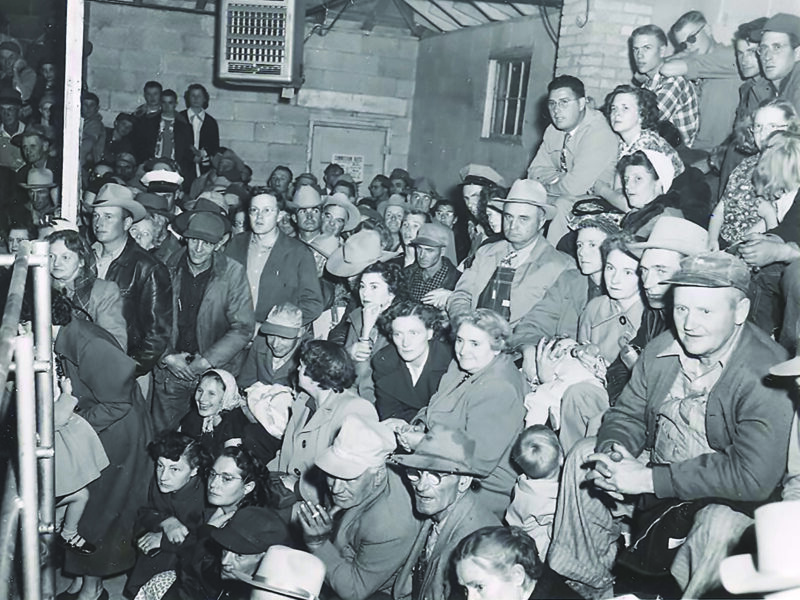
On December 6, 1940, about 150 people met at the Black Forest Community Hall, the same building that still stands today, to decide on forming an electric cooperative. The motion passed unanimously, directors were elected, and by December 28, 1940, there were 185 paid members. On January 22, 1941, Mountain View Electric Association, Inc. was officially formed with 249 members.
Early Growth and Service
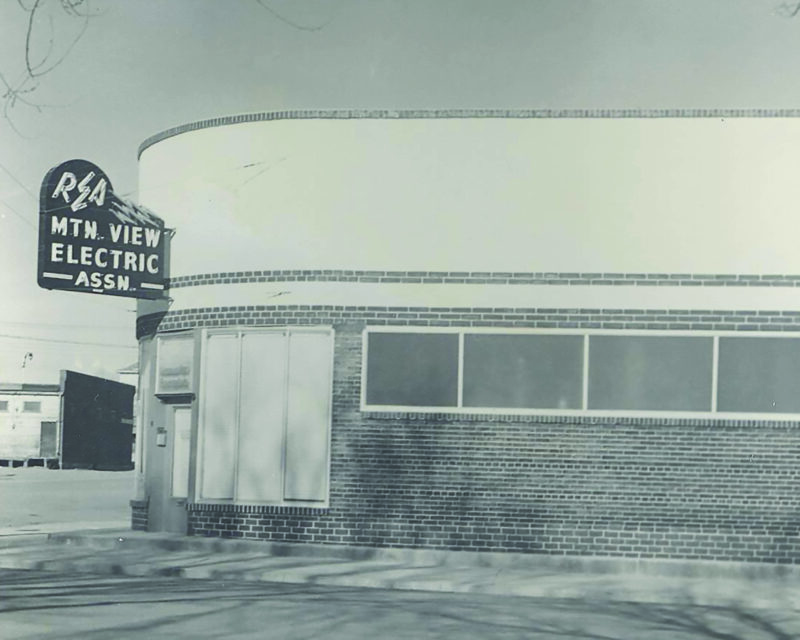
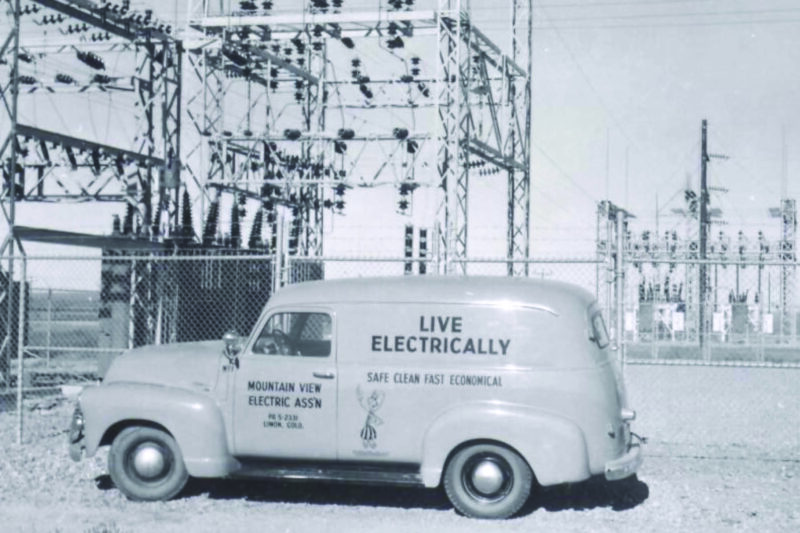
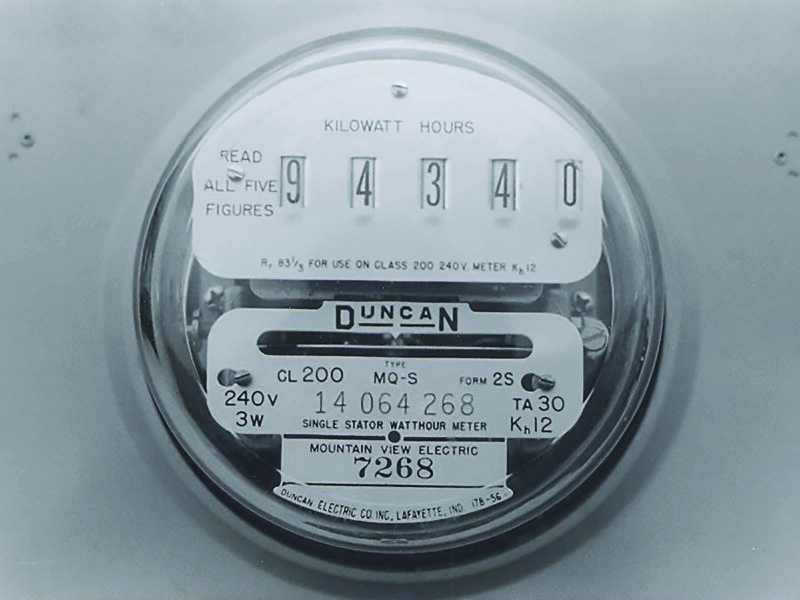
Some of the first lines approved provided electricity to areas around the Black Forest Store and later to Agate. By 1958, MVEA had become the third-largest electric cooperative in Colorado with 4,300 meters in service.
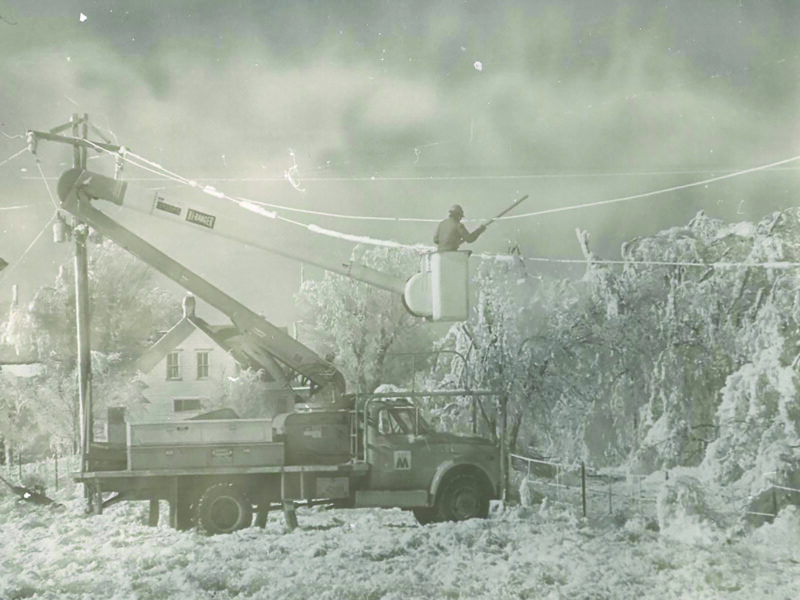
The growth wasn’t without challenges. In 1943, MVEA’s first lineman, Milo Feddern, was called into military service, and the board had to request a deferment until a replacement could be found. In 1978, a devastating ice and snowstorm destroyed 705 poles, reminding members of the cooperative’s ongoing commitment to rebuild and restore power no matter the circumstances.
Recognition and Innovation
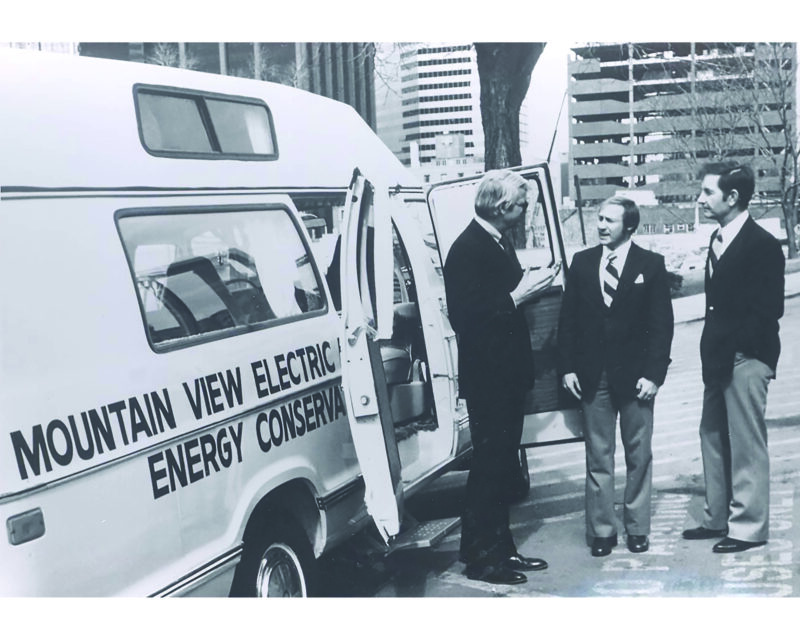
MVEA’s commitment went beyond infrastructure. In the 1970s, the co-op earned national recognition for its research, energy efficiency, and conservation education programs. In 1977, MVEA won first prize at the NRECA annual meeting for a study comparing all-electric homes to diversified heating systems. In 1978, the co-op won second place nationwide for its electric conservation education programs.
By the 1990s, MVEA’s engineering and operations teams were designing substations and distribution systems in-house, ensuring reliability and planning for future growth.
Expanding to Serve More Members
The 1990s brought economic growth to Colorado, especially in MVEA’s service territory. Membership grew to over 23,100 by 1999. Today, MVEA serves more than 57,500 members, continuing to evolve while maintaining the cooperative spirit that began with those early homesteaders.
Looking Ahead
From log cabins and community hall meetings to modern infrastructure and member programs, MVEA’s story is a testament to the power of cooperation. Our history shows that when neighbors come together, they can achieve something extraordinary. As we celebrate National Co-op Month, we honor our past, celebrate our present, and look forward to a bright future serving our members.